Destination Notes
Bahamas Arrival Planning: Fuel, Customs, Mooring, and Guest Logistics
Crossing day is the easy part. Here is the sequence experienced captains run a week out: clearance documents, fuel windows, mooring holds, and how to stage guest arrivals around weather.

The Gulf Stream crossing gets all the attention and deserves almost none of it. Fifty-odd miles from the South Florida coast to West End or Bimini is a morning's work in any reasonable weather. What separates a smooth arrival from a scrambled one is the week before: paperwork staged, fuel timed, moorings held, and guests booked onto flights that can survive a weather slip. Run the sequence in order and crossing day takes care of itself.
Seven days out, the paperwork. Bahamas clearance wants the vessel's documentation, passports for everyone aboard, and the cruising permit application, and the online pre-arrival filing has made the dockside formalities faster for boats that show up with everything matching. The detail that bites people: crew and guest lists must match the manifest you filed, exactly. A last-minute guest swap is not a problem if you amend the filing before departure. It is a long afternoon with an officer if you do not. Have ship's stamp, three copies of everything, and cash for fees aboard, because card terminals at the smaller ports of entry work until they do not.
Five days out, fuel. Take maximum fuel on the Florida side, where duty-free pricing for foreign-flagged vessels and sheer competition keep the spread wide: the difference can run $1 to $2 a gallon against the islands, which on a 15,000-gallon lift is real money. Call the fuel dock for a confirmed window rather than joining the morning queue, because the week before any holiday period the docks stack up four deep. And know your out-islands fuel plan before you need it: the marquee marinas in the Exumas carry good supply, but volume delivery at the smaller cays wants a day's notice and patience with the hose.
Four days out, dockage and moorings. Holiday weeks in the Exumas sell out the way show weeks do in Lauderdale, and a 40-meter berth held on a verbal is a berth someone else is sleeping in when you arrive. Get written confirmation with the rate and the beam noted. If your itinerary runs through the parks and protected anchorages, check mooring capacity for your tonnage honestly: the heavier balls are limited and first-come at several of the popular cays, so build your anchoring plan as the primary and the mooring as the bonus, not the reverse.
Three days out, the weather decision tree. The Stream is a conveyor running north at up to three or four knots, and any sustained wind with north in it stands the whole thing up into a square, punishing sea. The rule that has never failed me: no crossing on a forecast with north-component wind over 15 knots, full stop, owner's schedule notwithstanding. What makes that rule survivable politically is the next paragraph.
Stage the guests around the weather, not the other way. Book owners and guests into the islands by air, with the boat positioned a day or two ahead. A weather slip then costs the party nothing: they land, the boat is already stern-to with the awnings out, and nobody spent eight hours green in the Stream. The arrivals worth flying into are well served from South Florida, and the charter operators that run those legs are used to yacht schedules moving a day either way. Hold flights flexible until the boat is across.
Crossing day itself, run it boring. Depart in the dark to make the dock by early afternoon, clear before the customs window tightens, and have the chief stew's provisioning timed so the cold chain does not sit on a dock in the sun. First-arrival jobs in the first hour: courtesy flag up, cruising permit and fishing permits in the wheelhouse folder, tender registered on the permit if you plan to run it separately, and local SIM or satellite data confirmed before the owner asks why the Wi-Fi is slow.
One honest tradeoff to close on. The pre-arrival filings and the holiday-week mooring scramble have pushed some captains to clear at quieter ports of entry and work toward the marquee anchorages over two days. It costs you a day of itinerary and buys you calm formalities, better fuel timing, and a shakedown leg in protected water before the guests step aboard. With a new boat, a new crew, or a new owner, I take that trade every time.
The Short Version
- File pre-arrival paperwork a week out and make the manifest match the passports exactly. Amendments before departure are easy, dockside surprises are not.
- Fuel max on the Florida side: the spread against island pricing can run $1 to $2 a gallon.
- Written berth confirmations only. Holiday weeks in the Exumas sell out like show weeks in Lauderdale.
- No Gulf Stream crossing with north-component wind over 15 knots. Fly the guests in and position the boat ahead, and the rule costs nobody anything.
Captains Grid Editorial
The Captain's Brief
Keep Reading
Destination Notes
Exumas Beyond the Brochure: Anchorages the Charter Fleet Skips
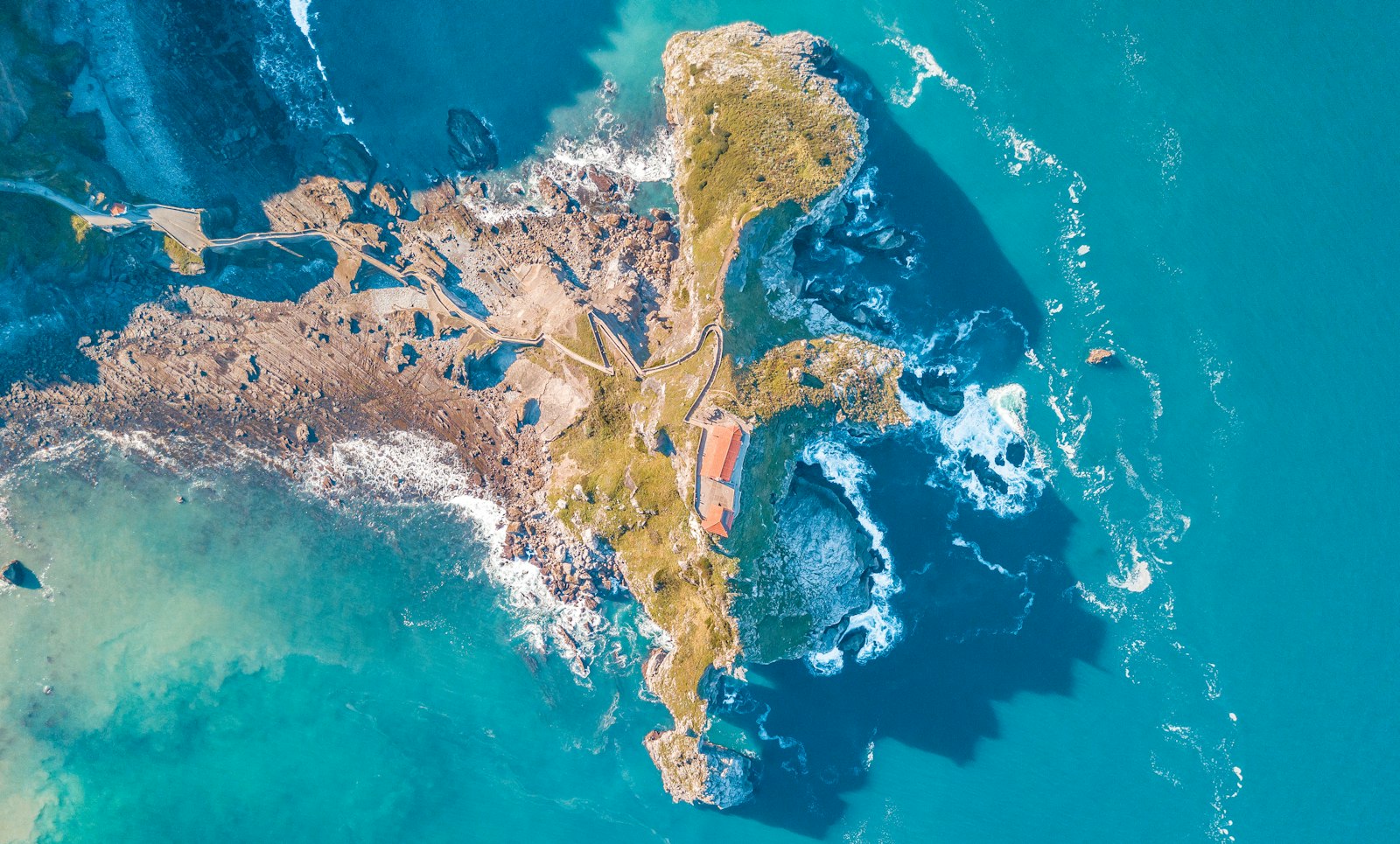
Every charter itinerary in the Exumas hits the same six stops: the swimming pigs, Thunderball Grotto, a beach club at Highbourne. The chain is 120 miles long and most of it is empty. Here is where I take owners who have already done the postcard version.

Owner Intelligence
What First-Time Yacht Buyers Miss Before the Survey
The survey is not the beginning of due diligence, it is the end of it. A captain's walkthrough before you book the haul-out catches the expensive problems brokers are not paid to mention.
Red Flag File
The Difference Between a Broker's Listing and a Captain's Inspection
A listing tells you what the boat has. An inspection tells you what the boat is. The gap between the two is where deposits go to die.