Crew Standards
Hiring Green Crew: How I Pick a Deckhand at the Dock
Every Antibes and Fort Lauderdale season produces a few thousand new STCW certificates attached to people who have never coiled a line. I have hired dozens of green deckhands over thirty years. The good ones share five tells, and none of them appear on a CV.
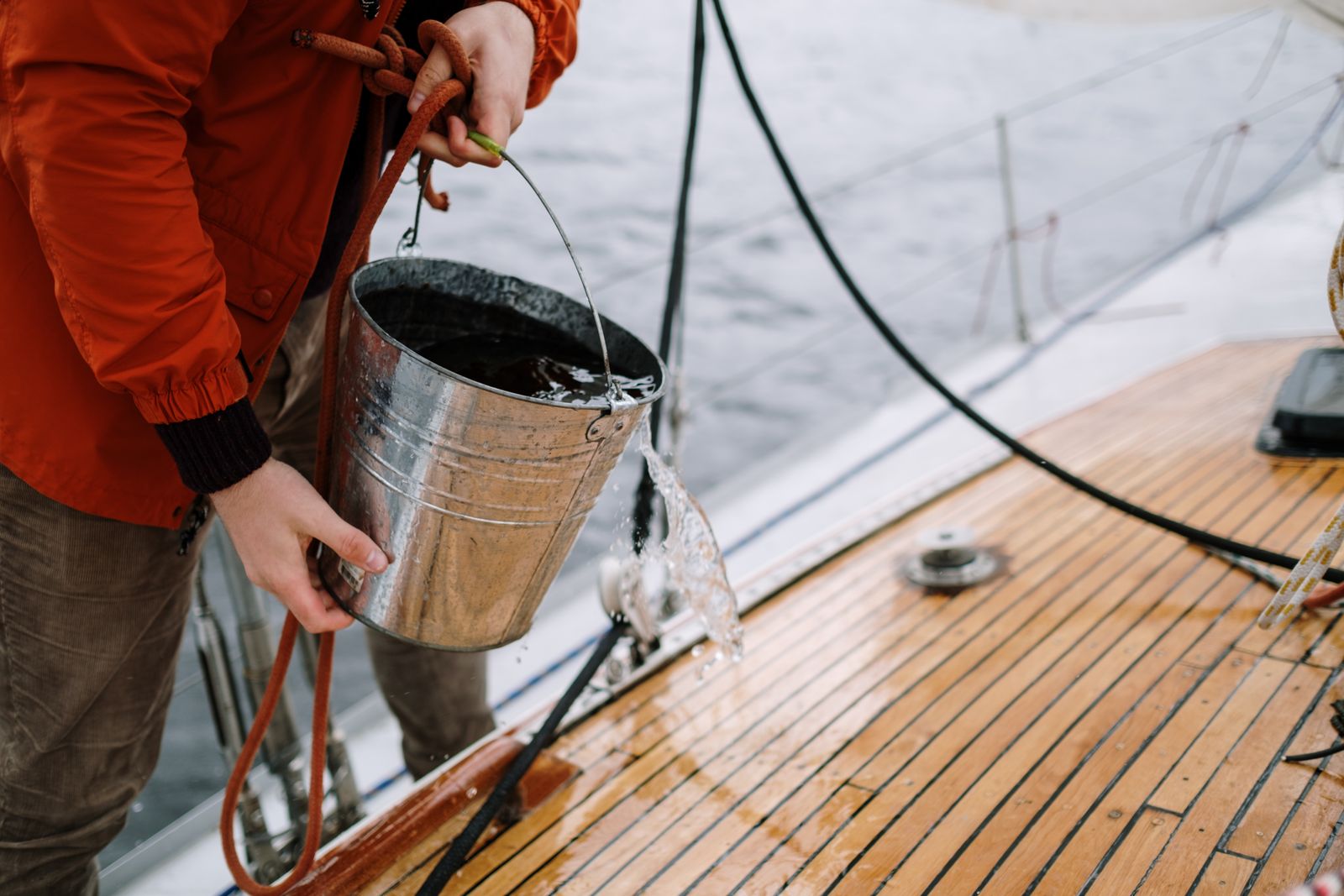
A green deckhand's CV tells you almost nothing, because they all look identical: STCW Basic Training, Powerboat Level 2, ENG1 medical, six months of dockwalking ambition, and a photo taken by a friend outside a crew house in Antibes. The certificates cost about 1,500 dollars and a fortnight, and they are an entry ticket, not a qualification. What I am actually buying when I hire green is twelve to eighteen months of trainability, attitude under fatigue, and the probability that this person will not put a 200,000 dollar tender into a dock. None of that is on the paper.
The first tell is how they treat the dockwalk itself. The kid who shows up at 0800 in clean deck shoes, asks for the mate by name because he checked, and leaves a one-page CV without trying to pitch me for twenty minutes has already demonstrated the job: preparation, brevity, respect for other people's time. The one who arrives at 1400 in flip-flops with a story about last night is also demonstrating the job, and I thank him and keep his CV in a separate pile that the dock bin empties weekly.
Second tell: hands and history. I do not care about yachting experience, I care about work. Farm kids, dinghy sailors, apprentice electricians, military, trades, competitive athletes, anyone who has been cold, wet, and required to finish anyway. My best-ever green hire was a 22-year-old who had spent four years on her family's fishing boat out of a small harbour and had never seen a superyacht. She could splice, she could read water, and she was washing down better than the senior deckhand within a month. The worst was a finishing-school CV with every course money could buy and no evidence anyone had ever asked him to do something twice.
Third, I run a five-minute practical before any offer, right there on the dock. Coil and hang this line. Tie a bowline, a clove hitch, a round turn and two half hitches. Walk me through how you would fender for a port-side-to berthing. Maybe one in three can do all of it, and the ones who cannot but say so honestly and ask to be shown score higher with me than the ones who bluff. Bluffing on knots becomes bluffing on whether the tender's kill cord works, and that version costs fingers.
Fourth tell: questions. At the end I always ask what they want to know, and the answer is diagnostic. Green crew who ask about salary and time off first are normal humans and that is fine, the published range for a junior deckhand is 2,500 to 3,500 euros a month plus tips anyway. But the ones who ask about the boat's programme, who does the training, or what the path to a Yachtmaster looks like are telling me they intend to stay and build. Retention starts at the interview, not at the first pay review.
Fifth, and this is the one that overrides everything else: how they speak about the last boss. Even a green kid has had a boss, a coach, a skipper of something. If the story is all betrayal and idiots, I am listening to a preview of how they will describe me in a crew house in eight months. The interior runs on the same rule, every chief stew I respect screens for it identically. Bitterness is the only disqualifier I have never once regretted enforcing.
Once hired, the first month is the real interview, and I say so out loud. Day boat trials, washdown standards, tender work under supervision with the kill cord conversation done twice, and one honest review at week four. It costs me roughly 4,000 euros in salary and senior crew time to find out whether I was right, which is cheap against the 15,000-plus euros a bad hire costs in repatriation flights, agency fees for the replacement, and the damage a sour attitude does to a six-person deck team in a Mediterranean August.
The industry keeps trying to solve green crew with more certificates, and the schools are delighted to sell them. I would trade every additional module for ten minutes on a dock with a coiled line and a direct question. The deckhand who will still be in yachting in ten years, running a deck or sitting a chief mate's oral, looks you in the eye, ties the bowline or admits he cannot, and asks who does the training. Hire that one.
The Short Version
- Green CVs are interchangeable: the 1,500 dollars of entry certificates qualify nobody. You are hiring trainability and attitude.
- Run a five-minute dock practical: three knots, coil a line, talk through fendering. Honest failure beats confident bluffing.
- Prior hard work (fishing, farms, trades, sport) predicts performance far better than yachting courses ever have.
- How a candidate describes their last boss is a preview of how they will describe you. Bitterness is the one absolute disqualifier.
- A structured first month costs about 4,000 euros to validate the hire. A bad hire costs 15,000-plus and a season of deck-team morale.
Capt. Christoff Spies
Master 3000GT · Founder, Captains Grid
Keep Reading

Crew Standards
Crew Turnover Is Expensive - What Owners Get Wrong
Replacing a chief stew mid-season costs more than her annual salary once you count training, guest experience, and the rest of the crew watching how it was handled.

Crew Standards
The Chief Stew Shortage Is Real: Retention Math for Owners
Every crew agent in Antibes and Fort Lauderdale tells the same story: experienced chief stewardesses are the hardest hire in yachting, and the gap is widening. The owners who keep theirs are not paying wildly more. They are doing arithmetic the others refuse to do.

Owner Intelligence
What First-Time Yacht Buyers Miss Before the Survey
The survey is not the beginning of due diligence, it is the end of it. A captain's walkthrough before you book the haul-out catches the expensive problems brokers are not paid to mention.