Boat Breakdown
What Makes a Yacht Easy or Miserable to Operate
Two boats with the same length and the same builder can cost wildly different amounts to run. The differences hide in engine room access, crew mess design, and tender garages.
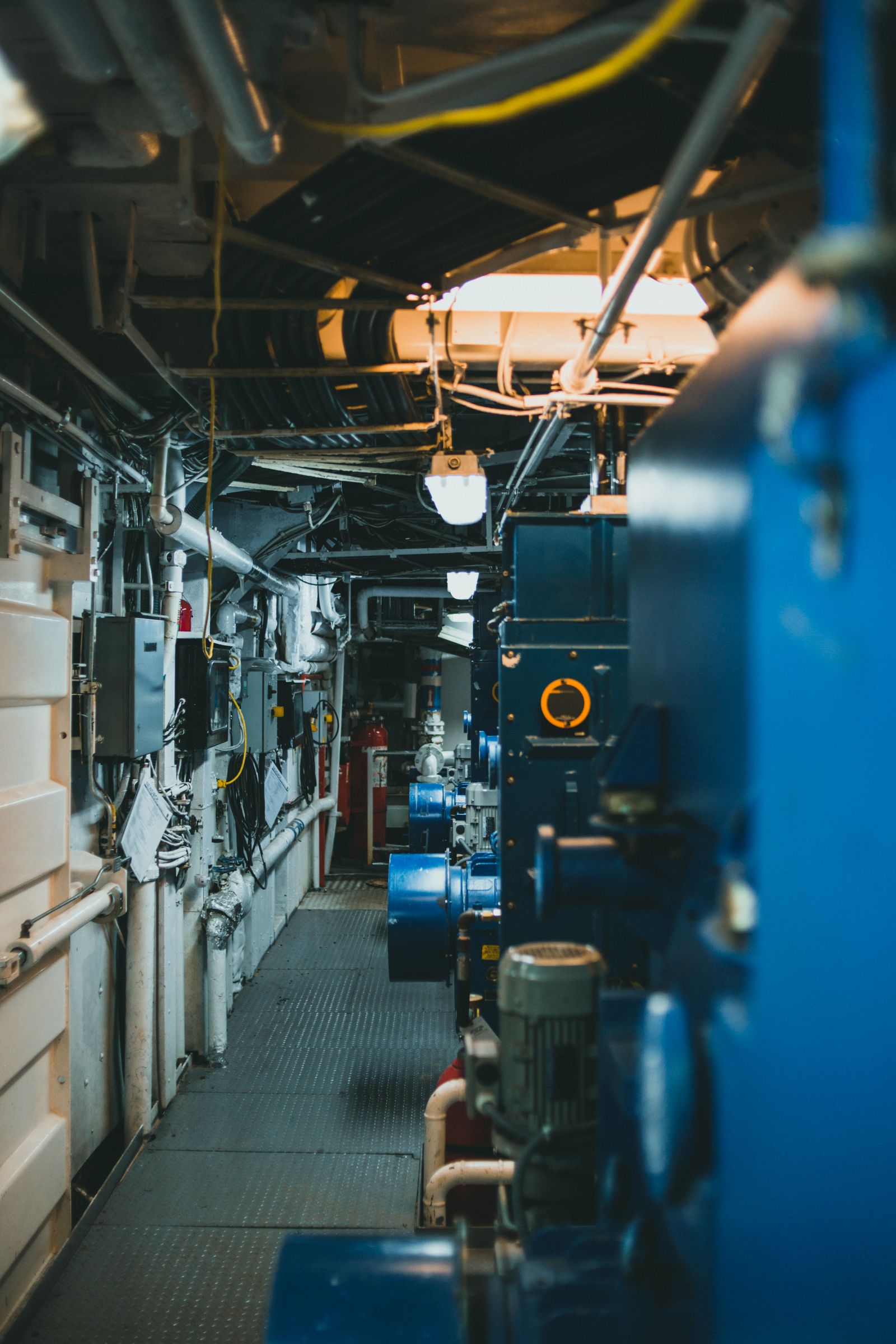
Put two 40-meter boats from the same builder side by side, same engines, same generators, similar interiors, and one of them will cost 20 to 30 percent more to run over five years. The brochure will not tell you which. The differences live in places no buyer's tour ever lingers: how far a generator sits from the engine room door, whether the crew mess seats the whole crew, and what it takes to launch a tender in a rolling anchorage. Operability is a design property, and it is set in concrete long before the boat is yours.
Engine room access is the single biggest lever. On a well-arranged boat, an engineer can reach every service point on the mains, both sides of each generator, the sea chests, and the back of the switchboard without removing panels or lying on a manifold. On a badly arranged one, a generator heat exchanger swap means cutting furniture or pulling the unit toward the hatch on rollers, and a $4,000 job becomes a $25,000 yard event. Walk the engine room with a simple test: can you put both hands on every pump, every filter, every belt? Every place you cannot is a future invoice with a multiplier on it.
Headroom and routing matter almost as much as access. Pipe runs and cable trays that are labeled, color-coded, and reachable turn a fault chase from days into hours. Boats where systems were value-engineered behind glued panels punish you on every fault for the life of the boat. One engineer I worked with kept a tally on a clipboard: on his previous boat, an identical bilge pump float switch replacement took forty minutes; on the new build it took two technicians most of a day, because the builder had saved a few hundred dollars on an access hatch.
Crew spaces are an operating cost in disguise. A crew mess that seats the full complement, cabins with real berths and real ventilation, a laundry sized for the linen load of a charter weekend: these decide whether good crew stay. We covered the cost of turnover in a previous brief, and the design connection is direct. A boat whose crew spaces were sacrificed for an extra meter of owner's closet will pay that meter back in recruitment fees, forever. Charter guests never see the crew mess, but they feel it in the service by August.
The tender garage tells you how the designer thought about real days at anchor. A garage that launches in a seaway, with a crane or chute the deck crew can run shorthanded, gets guests ashore on schedule and brings the boat to life. A garage that needs flat calm, three crew, and twenty minutes of choreography means every beach lunch starts with an apology. Look also at where the tender lives versus where the fenders and lines live: stowage that forces the crew to unload half the lazarette to reach a passerelle pad is a daily tax measured in minutes and morale.
Day-to-day guest service runs on circulation routes the buyer's tour never follows. Can the stews move from galley to sky lounge without crossing the owner's deck? Is there a service pantry near the main saloon or does every drink travel three flights? Is there a day head guests can find without walking through a cabin? Boats that fail these tests do not fail loudly. They fail in thirty-second delays, hundreds of times a charter, and the guests feel it without knowing why.
Then there is the dockside arithmetic. Air draft decides whether you clear bridges to the cheaper or better-protected dockage. Beam decides which berths you fit and what they cost. Draft decides how much of the Bahamas bank you can actually use; the difference between 2.2 and 3 meters of draft is the difference between anchoring where the guests want to swim and anchoring where the chart says you must. None of these numbers improve after delivery.
If you are buying, the test protocol is simple and brokers hate it. Spend a day aboard doing crew work: launch and recover the tender, carry a loaded tray from the galley to the farthest guest area, change a Racor filter, pull a mattress out of a crew cabin. Bring the captain or engineer who will run the boat and let them spend an hour alone with the machinery spaces. The boats that pass this day are the ones that are cheap to own. The boats that fail it photograph beautifully.
The Short Version
- Two identical-length boats can differ 20 to 30 percent in five-year running cost. The gap is design, not luck.
- Engine room test: both hands on every pump, filter, and belt. Every blocked service point carries a yard-bill multiplier.
- Crew mess and cabin quality are retention infrastructure. Bad crew spaces are a permanent recruitment surcharge.
- A tender garage that needs flat calm and three crew turns every beach lunch into an apology.
- Air draft, beam, and draft set your dockage and anchorage options forever. They do not improve after delivery.
Captains Grid Editorial
The Captain's Brief
Keep Reading

Boat Breakdown
Stabilizer Systems: What Fails, What It Costs, and What to Ask at Survey
Zero-speed fins are the most guest-visible system on board and one of the most misunderstood at purchase. An engineer's field guide to the questions that matter.

Owner Intelligence
What First-Time Yacht Buyers Miss Before the Survey
The survey is not the beginning of due diligence, it is the end of it. A captain's walkthrough before you book the haul-out catches the expensive problems brokers are not paid to mention.
Red Flag File
The Difference Between a Broker's Listing and a Captain's Inspection
A listing tells you what the boat has. An inspection tells you what the boat is. The gap between the two is where deposits go to die.