Captain Notes
Hurricane Season: The Plan Your Insurer Expects You to Already Have
Your policy almost certainly contains a named-storm clause that assumes a written hurricane plan, filed and followed. Most owners have never read it. The time to discover what your insurer expects is February, not when the forecast cone touches your marina.
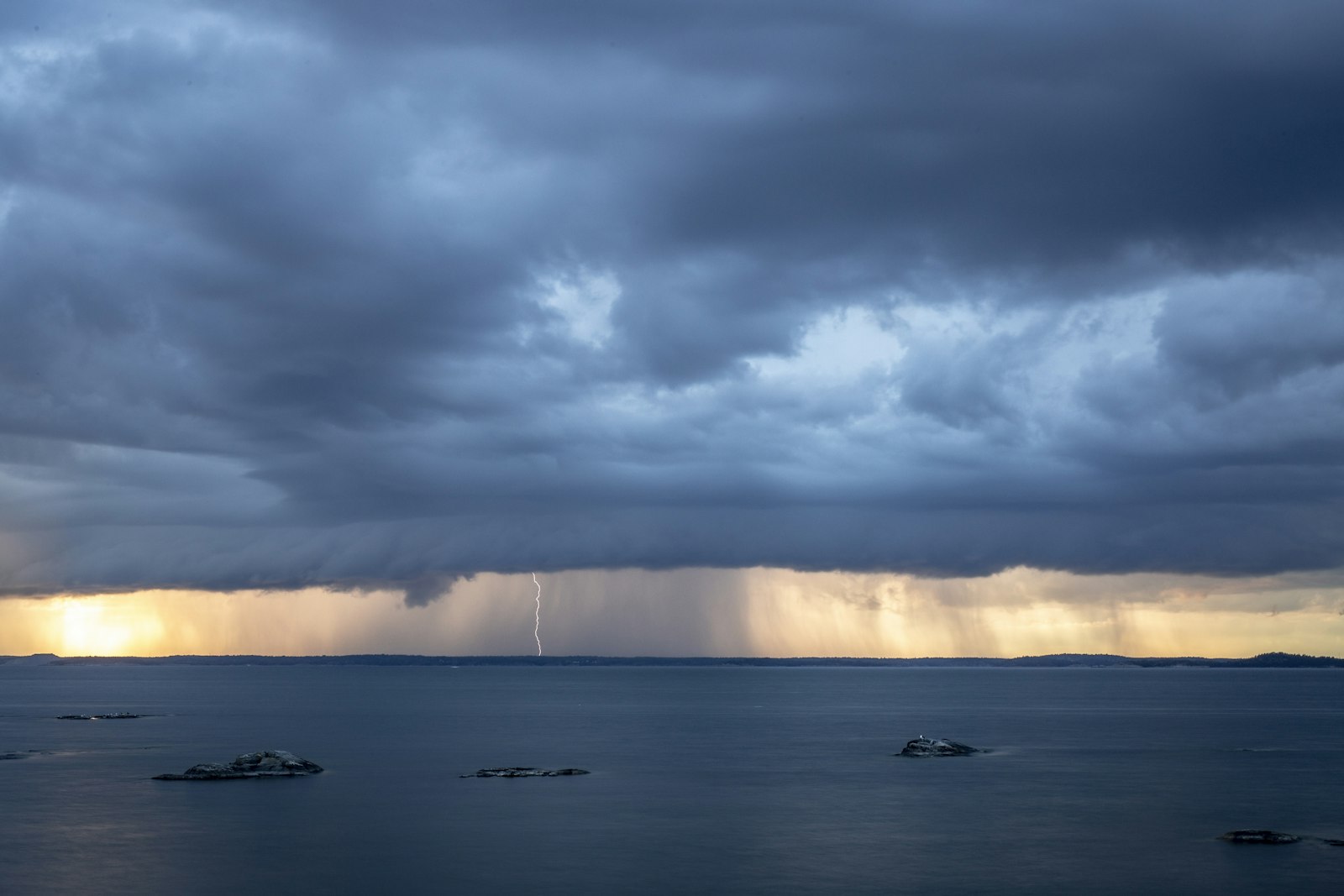
Pull out your yacht's insurance policy and find the named-storm or windstorm clause. I will wait, because most owners have never done it. Somewhere in there you will likely find a higher named-storm deductible, often 5 to 10 percent of insured value instead of the standard 1 percent or so, geographic warranties about where the boat may be between July and November, and language that assumes a written hurricane plan exists and was followed. On a 20 million dollar yacht, the difference between deductibles is the difference between a 200,000 dollar claim conversation and a 1.5 million dollar one.
The Atlantic season runs 1 June to 30 November, and underwriters have responded to the last decade of storms with hard geography. Many policies now exclude or surcharge the box roughly between 12 and 35 degrees north in the western Atlantic, Gulf, and Caribbean during season. This is why the fleet migrates: the Med rotation, or south to Grenada and Trinidad, which sit near the historical southern edge of the main storm tracks, or north past Cape Hatteras. If your boat is staying in Florida or the northern Caribbean through the season, your insurer knows the odds better than you do, and the premium and deductible say so plainly.
A real hurricane plan is a written document, vessel-specific, filed with your insurer before season, and it answers five questions without poetry. Where does the boat go, with a named primary and a named alternate. At what trigger does it move, expressed as hours before forecast tropical-storm-force winds, not as a feeling. Who executes, by name and by backup, since the captain may be on leave in August. What gets done to the boat, a checklist down to chafe gear and canvas. And what happens if the boat cannot move, because engines fail, crew are short, or the storm forms close, as they increasingly do.
Triggers are where plans die, so make them mechanical. My standing rule on a large yacht in Florida was simple: when a system put us inside the five-day forecast cone, we provisioned, fuelled, and cancelled leave, costing nothing but a few phone calls. Inside 96 hours to forecast arrival of tropical-storm-force winds, we executed the move, no debate, no waiting for the next advisory to make the decision easier. The boats that get caught are almost never surprised, they are boats that watched four advisories in a row hoping the track would wobble. Hope is not in the plan, so it does not get a vote.
Understand what a yacht actually does in those 96 hours, because owners consistently underestimate it. A 50 metre making 12 knots covers about 1,150 nautical miles in four days in flat water, which sounds like plenty until you subtract fuelling, crew recall, and the fact that you are running from a storm moving with a 200-mile-wide wind field across your escape route. The real decision happens earlier and the real distances are shorter. This is also the argument against the plan that says run to sea: that option belongs to ships with full crews and ocean room, not to a yacht with five aboard in August and guests' belongings in every cabin.
If the boat stays, the work is unglamorous and specific. Doubled lines with proper chafe protection at every contact point, and chafe is what actually parts lines, not load. Every scrap of canvas off: biminis, covers, awnings, sailcloth, because windage sinks more boats at the dock than storm surge does in many events. Tender off davits and ashore or deeply secured. Batteries charged, bilge pumps verified, shore power assumed lost, and a photographic record of the whole preparation, timestamped, which is worth real money when the adjuster arrives. The crew leaves before conditions make leaving heroic. No yacht is worth a deckhand.
Two failures I have watched cost owners seven figures. The first: a 44 metre whose plan said Lauderdale to a named hurricane hole, except the plan was written in 2019, the bridge clearance had never been verified against the boat's new mast lights, and the slot was double-booked because the owner never paid the retainer for the berth. Reserve your refuge berth in February and pay for it, the good holes sell out like festival tickets. The second: a boat whose insurer denied a portion of a claim because the filed plan named a professional captain as executor and the move was attempted by the owner's brother-in-law. The plan you file is a warranty. Follow it or amend it, never freelance it.
Here is the February checklist, since that is when this article should be read. Read the named-storm clause and write down your deductible in dollars, not percent. Get the written plan updated, vessel-specific, and filed with your broker, with triggers in hours and people by name. Reserve and pay for the refuge berth or the southern dockage. Brief the crew, including the relief crew, and walk the boat against the checklist once before 1 June. It is perhaps three days of work and a few thousand dollars. The named-storm deductible it protects you from is a number with two more zeros, and the insurer, I promise you, has already done this arithmetic.
The Short Version
- Named-storm deductibles often run 5 to 10 percent of insured value: on a 20 million dollar yacht, that is up to 2 million before the insurer pays a cent.
- A filed hurricane plan is effectively a warranty. Deviate from it, or let an unnamed person execute it, and you hand the underwriter a reason to reduce the claim.
- Make triggers mechanical: prepare when inside the five-day cone, move at 96 hours to forecast tropical-storm-force winds, no advisory-watching.
- Windage and chafe destroy docked yachts: strip every scrap of canvas, double lines with chafe gear, photograph everything with timestamps.
- Reserve and pay for your refuge berth in February. The good hurricane holes are sold out by the time the season's first system has a name.
Capt. Christoff Spies
Master 3000GT · Founder, Captains Grid
Keep Reading

Captain Notes
Guest Safety Briefings That Owners Do Not Resent
The briefing is a legal requirement and a hospitality moment at the same time. Get the first part wrong and someone gets hurt. Get the second part wrong and the owner stops letting you do the first.

Captain Notes
The Owner-Captain Relationship: What the Good Ones Get Right
Thirty years of running other people's yachts has taught me that the boat is rarely the problem. The relationship between the owner and the captain is. Here is what the best owners I have worked for did differently, and what it cost the ones who got it wrong.

Captain Notes
Tender Operations: Where Guest Days Go Wrong
The mothership almost never hurts anyone. The tender is where yachting's actual accidents live: beach landings, swim ladders, a deckhand showing off with eight guests aboard. Thirty years of incident reports point at the same handful of moments, and all of them are preventable.