Captain Notes
The Owner-Captain Relationship: What the Good Ones Get Right
Thirty years of running other people's yachts has taught me that the boat is rarely the problem. The relationship between the owner and the captain is. Here is what the best owners I have worked for did differently, and what it cost the ones who got it wrong.
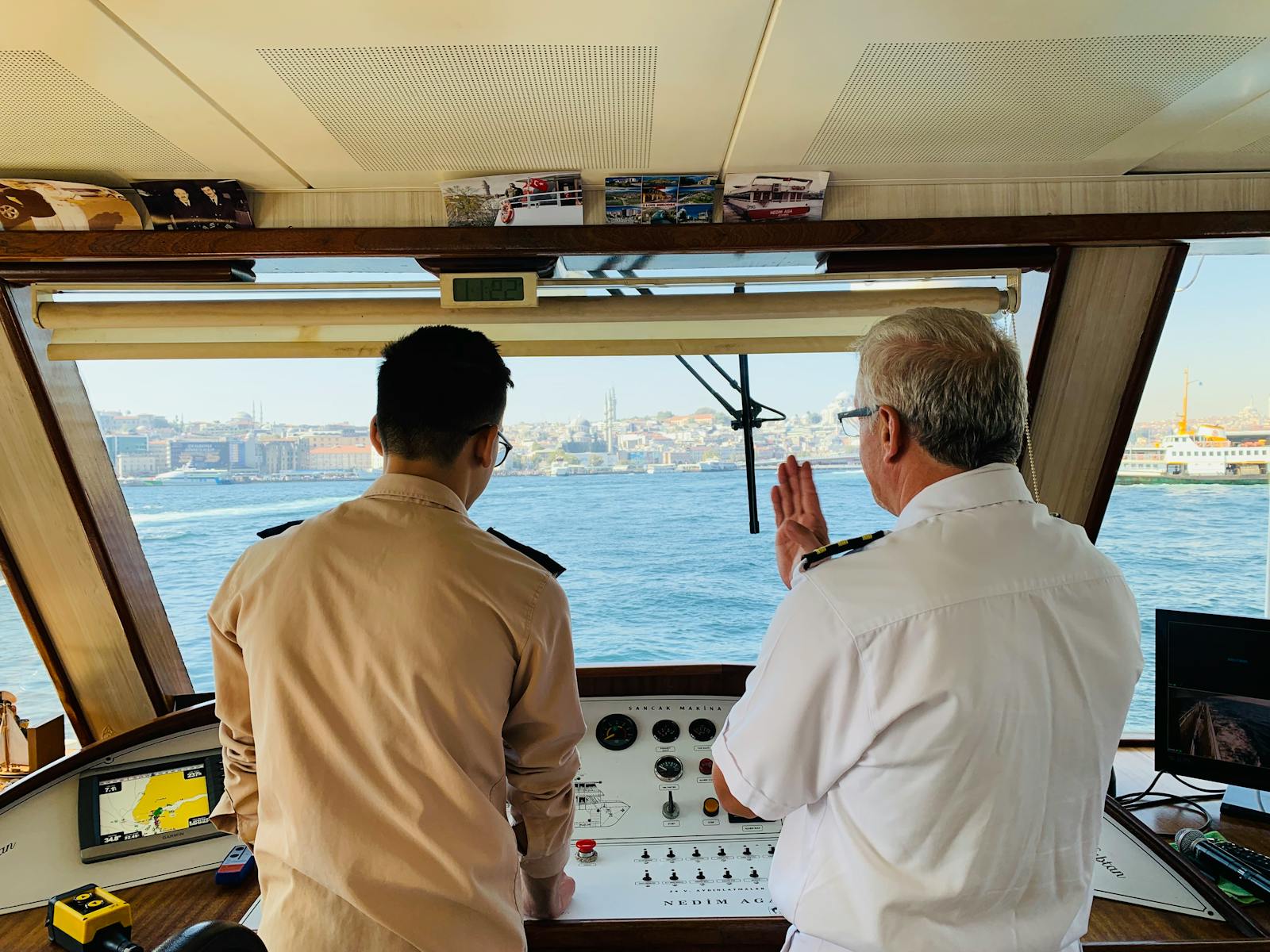
In three decades of command I have worked for owners who made the job a pleasure and owners who burned through four captains in two years. The vessels were comparable. The budgets were comparable. The difference was never the boat, it was how the principal and the captain defined the job before the first line was cast off. I can usually tell within the first meeting whether a program will run for ten years or ten months.
The best owner I ever worked for, I will call him Mr. Aldermann, ran a 62 metre and gave me exactly one standing order: never surprise me. Not about money, not about crew, not about the weather. If the watermaker membrane was going to fail in eight months, he wanted to know now, with a price and a recommendation. In return he never second-guessed a seamanship call in eleven years. That is the trade at the heart of every good program: full transparency from the captain, full operational authority to the captain.
Compare that with a principal who phoned his 47 metre's bridge at 2300 to demand we leave a Sardinian anchorage in a building mistral because dinner ashore had run long and the guests wanted to wake up in Bonifacio. His previous captain said yes to that kind of call. I said no, explained why in two sentences, and offered a 0530 departure that put us alongside by lunch. He hired me precisely because I would say no, he just had not realised it yet. Owners who want a yes-man can find one, and a yes-man will eventually put 30 million dollars of yacht on a reef to avoid an awkward phone call.
Money is where most of these relationships actually fracture, so deal with it like adults. A 50 metre runs roughly 10 percent of its value per year in operating cost, call it 2.5 to 3.5 million dollars depending on programme, crew of ten to twelve, and how hard you push the maintenance schedule. The good owners agree an annual budget once, set a single threshold for unplanned spend, mine was 25,000 dollars, and let the captain run everything beneath it. The bad ones approve every fender and then act astonished when the captain stops telling them about the small stuff.
Communication rhythm matters more than communication volume. I send one structured email a week when the owner is off the boat: position, crew status, spend against budget, upcoming yard items, one paragraph each. When something breaks that costs real money or affects his next trip, he gets a phone call within the hour, with the fix already costed. What he never gets is silence followed by a crisis. Owners do not actually fear bad news, they fear discovering that their captain has been managing them instead of the boat.
The crew watches all of this more closely than either party realises. When an owner undermines the captain in front of the stewardesses, or walks aboard and starts issuing orders directly to the deckhands, the chain of command dies that afternoon and the good crew start updating their CVs that evening. Every strong programme I have seen has the same rule: the owner's wishes flow through the captain, full stop. It is not vanity, it is the same reason an airline passenger does not get to reroute the flight from seat 2A.
There is a clause I now ask for in every contract, and I advise owners to offer it before being asked: a proper notice period both ways, ninety days, with severance defined. It sounds defensive. It is actually the opposite. A captain who is not worried about being fired by text message from a beach club will tell you the truth about your boat, your crew, and your spending. A captain on a month's notice tells you what keeps him employed until the season ends.
What the good ones get right, in the end, is humility about their own role. The owner is unambiguously the boss: he sets the programme, the standard, and the budget, and a captain who forgets that deserves the beach. But the best owners hire a master mariner the way they would hire a surgeon, then let him operate. The ones who insist on holding the scalpel themselves always, always end up bleeding money, crew, and eventually the asset itself.
The Short Version
- The core trade: total transparency from the captain, total operational authority to the captain. Programs fail when either half is missing.
- Agree the annual budget once and set a single unplanned-spend threshold (25,000 dollars works on a 50m). Stop approving line items.
- One structured weekly report plus an immediate call for anything expensive or trip-affecting beats constant chatter.
- All owner instructions flow through the captain. Bypass the chain of command and your best crew start job hunting that week.
- A ninety-day mutual notice period buys you honesty. A captain afraid of dismissal tells you what you want to hear.
Capt. Christoff Spies
Master 3000GT · Founder, Captains Grid
Keep Reading

Captain Notes
Guest Safety Briefings That Owners Do Not Resent
The briefing is a legal requirement and a hospitality moment at the same time. Get the first part wrong and someone gets hurt. Get the second part wrong and the owner stops letting you do the first.

Captain Notes
Hurricane Season: The Plan Your Insurer Expects You to Already Have
Your policy almost certainly contains a named-storm clause that assumes a written hurricane plan, filed and followed. Most owners have never read it. The time to discover what your insurer expects is February, not when the forecast cone touches your marina.

Captain Notes
Tender Operations: Where Guest Days Go Wrong
The mothership almost never hurts anyone. The tender is where yachting's actual accidents live: beach landings, swim ladders, a deckhand showing off with eight guests aboard. Thirty years of incident reports point at the same handful of moments, and all of them are preventable.