Market Watch
Pricing the 2026/27 Caribbean Charter Season
Caribbean charter rates have held the gains of the post-2021 boom, but the market underneath has split: festive weeks clear at premiums while shoulder weeks quietly discount. A look at where 2026/27 rates are settling, and what owners should actually expect to net.
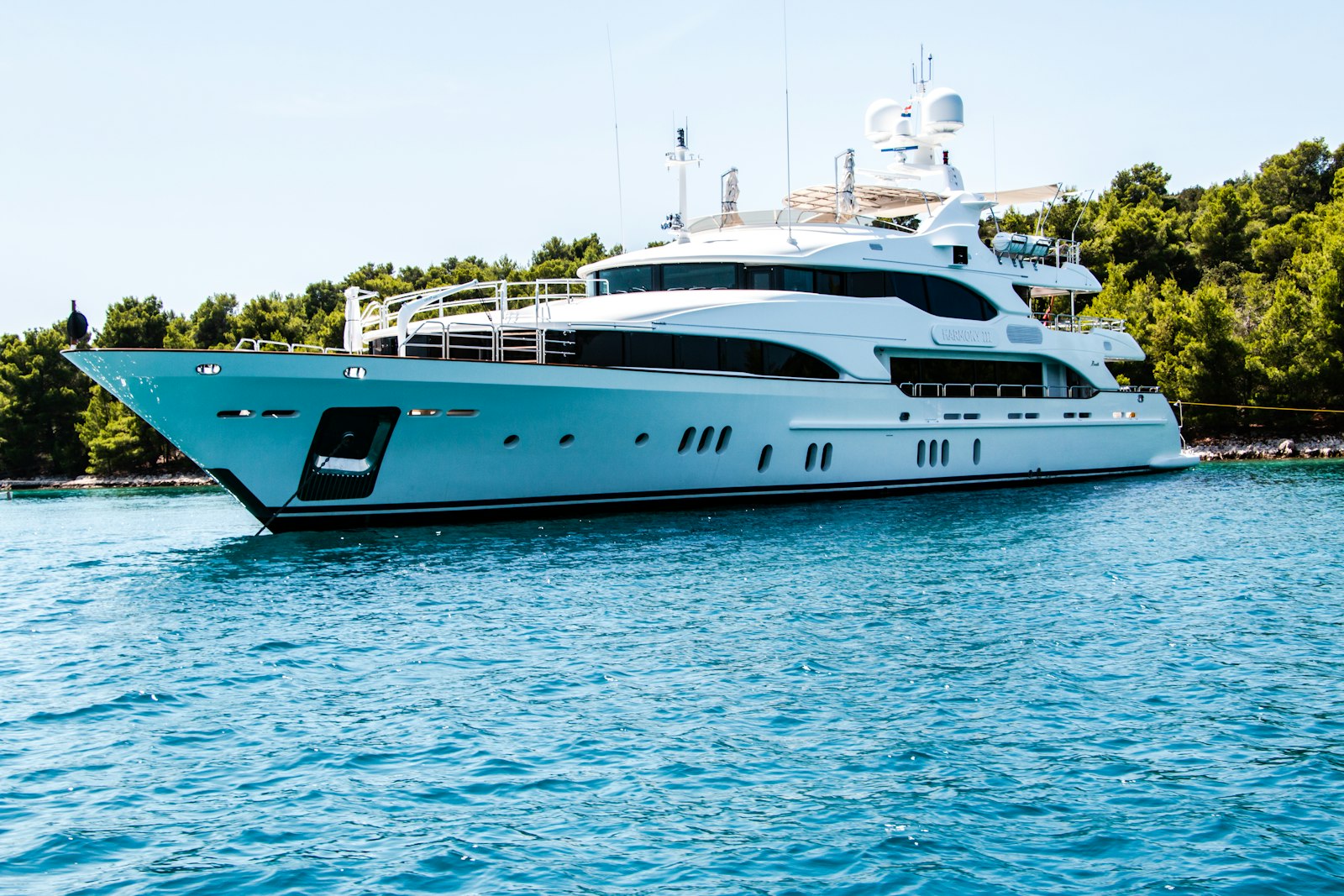
The headline for the 2026/27 Caribbean season is stability with a split personality. Published weekly rates across the core charter fleet are broadly flat to modestly up on last season, low single digits for most size brackets, but the averages conceal a market that has divided sharply by week and by boat. Festive and New Year weeks are clearing early at full rates or premiums, while January and the post-Easter shoulder are seeing quiet discounting of 10 to 15 percent that never appears in a press release. Owners reading their central agent's optimistic season preview should price both halves of that sentence.
By bracket, the indicative numbers shaping this winter's contracts look like this. Modern 30 to 40 metre motor yachts are publishing 85,000 to 175,000 dollars per week plus expenses. The 40 to 50 metre bracket spans roughly 175,000 to 300,000, and 50 metres and above starts around 300,000 and runs past 1 million for the marquee names. Sailing yachts and large catamarans continue their strong run, with premium cats in the 50,000 to 130,000 range often out-earning monohull motor yachts of similar guest capacity on occupancy. These are asking rates: realised rates after seasonal adjustments typically land 5 to 10 percent below the brochure across a full season.
The festive premium remains the season's financial spine. Christmas and New Year weeks command 10 to 25 percent over base rate, frequently with ten-day minimums, and the strongest boats had those weeks under contract by late summer. One pattern brokers report consistently: clients who lost their preferred boat for New Year did not trade down, they traded weeks, shifting to late February or Easter at base rates rather than accepting a lesser yacht. Demand at the top of the market is boat-specific to a degree the industry has not seen before, which rewards yachts with strong crews and recent refits and quietly strands the rest.
Cost inflation is the half of the ledger owners feel directly. Crew salaries have risen 10 to 20 percent across key positions over the past three seasons, with experienced chief stews and engineers the acute pressure points, and those costs do not retreat when charter weeks soften. Dockage in the premium St. Barths to Antigua corridor continues to climb, with peak-week berths at the marquee marinas commanding four-figure nightly rates. APA expectations have adjusted accordingly: brokers are now routinely advising clients to budget 35 percent rather than the traditional 30 for high-season Caribbean itineraries, simply because fuel, dockage, and provisioning have outrun the old rule of thumb.
Geographically, the season's demand map has widened. The St. Maarten, St. Barths, Antigua triangle remains the gravitational core, but the Grenadines continue to take share for clients prioritising anchorages over scene, and the Virgin Islands have fully recovered their charter volume with strength in the sub-40-metre and catamaran fleets. The Bahamas, meanwhile, keeps converting what was once a shoulder destination into a year-round market of its own, pulling some Florida-based tonnage out of the Caribbean rotation entirely. For owners, fleet positioning is now a genuine pricing decision rather than a tradition.
What does this mean for an owner deciding whether to charter at all? A well-run 45 metre achieving ten to twelve charter weeks at a realised average of 200,000 dollars grosses 2 to 2.4 million. Subtract the central agency's 15 to 20 percent, retail brokers' shares within that, VAT or local taxes where applicable, plus the genuine wear, crew gratuity culture, and scheduling constraints that charter imposes, and the honest net contribution against a 3 million dollar annual operating budget is meaningful but rarely transformative. Charter remains what it has always been: a partial offset and a discipline mechanism, not a business plan. Owners told otherwise should ask to see last season's actuals, not projections.
The structural story to watch is supply. New deliveries in the charter-relevant 40 to 60 metre range continue to arrive, and a growing share of new owners enter ownership intending to charter from day one. More supply against demand that is increasingly selective about specific boats means the middle of the fleet, competent but unremarkable yachts with adequate crews, will feel pricing pressure first and hardest. The top decile will keep setting record weeks. The gap between those two experiences is the real market report.
Practical guidance for the season ahead: price festive aggressively and early, hold base rates through February rather than chasing volume with visible discounts that mark the boat down for a year, and spend the discount budget instead on the crew, because in a boat-specific demand market the chief stew's reputation is a pricing instrument. Confirm the 35 percent APA conversation happens before the charter, not during it. And treat any projection that assumes last New Year's rate across fourteen weeks with the scepticism it has earned.
The Short Version
- Asking rates are flat to slightly up, but the market has split: festive weeks clear at 10 to 25 percent premiums while shoulder weeks discount 10 to 15 percent quietly.
- Indicative weekly asks: 85,000 to 175,000 dollars at 30-40m, 175,000 to 300,000 at 40-50m, 300,000-plus above 50m, all plus expenses.
- Budget APA at 35 percent, not the traditional 30: fuel, premium dockage, and provisioning have outrun the old rule of thumb.
- Demand is now boat-specific: strong crews and recent refits command premiums while the competent middle of the fleet feels pricing pressure first.
- Charter is a partial offset against a 3 million dollar operating budget, not a business plan. Ask for last season's actuals, never projections.
Captains Grid Editorial
Market Desk
Keep Reading

Market Watch
Market Watch: 30 to 50 Meter Motor Yachts in the Americas, Spring 2026
Inventory is thinning at the top of the bracket and aging at the bottom. A working read on asking prices, days on market, and where the leverage actually sits this spring.

Owner Intelligence
What First-Time Yacht Buyers Miss Before the Survey
The survey is not the beginning of due diligence, it is the end of it. A captain's walkthrough before you book the haul-out catches the expensive problems brokers are not paid to mention.

Red Flag File
The Difference Between a Broker's Listing and a Captain's Inspection
A listing tells you what the boat has. An inspection tells you what the boat is. The gap between the two is where deposits go to die.